Grateful, and still Grieving.
On Gratitude.
I wish I had some profound story about how embracing gratitude changed my life and made everything better.
I don’t.
What I do have, however, is the ability to recognize and understand that a practice of gratitude can rewire our brain and support our nervous system healing after trauma. So let me share with you...

I generally struggle with gratitude practices. It took me a long time to get on board with the idea of them, and when I finally did, I had a hard time keeping them up. Some of you may have noticed that I was posting daily gratitude into my Instagram stories for a while (and by daily, I mean MAYBE 3 times per week), and haven’t done that in quite some time. Is it because I’ve lost hold of gratitude? I don’t think so. But I know that calling out my gratitude in that way brings it into the forefront of my mind and allows a moment of reprieve from the nervous system chaos brewing below the surface.
So, may this blog post be the first step toward a renewed gratitude practice for myself, and I’d LOVE if you’d join me in this.
Here’s a little neuroscience behind gratitude and why this practice can be supportive.
When we practice gratitude, we’re not just “thinking positive.” We’re giving the brain a different place to rest its attention.
Brain imaging studies show that feeling and expressing gratitude activates the medial prefrontal cortex, an area involved in emotional regulation, social connection, and making meaning of our experiences. It also engages the brain’s reward circuitry, the same system that helps us notice what feels safe, nourishing, and worth returning to.
Here’s a research finding I love: in one study, people who wrote gratitude letters for just a few weeks still showed greater gratitude-related activity in the brain months later (so my waxing and waning gratitude practice is still justified and supportive, and that’s a win in my book). Gratitude is a practice the brain learns. The more we notice, the easier noticing becomes.
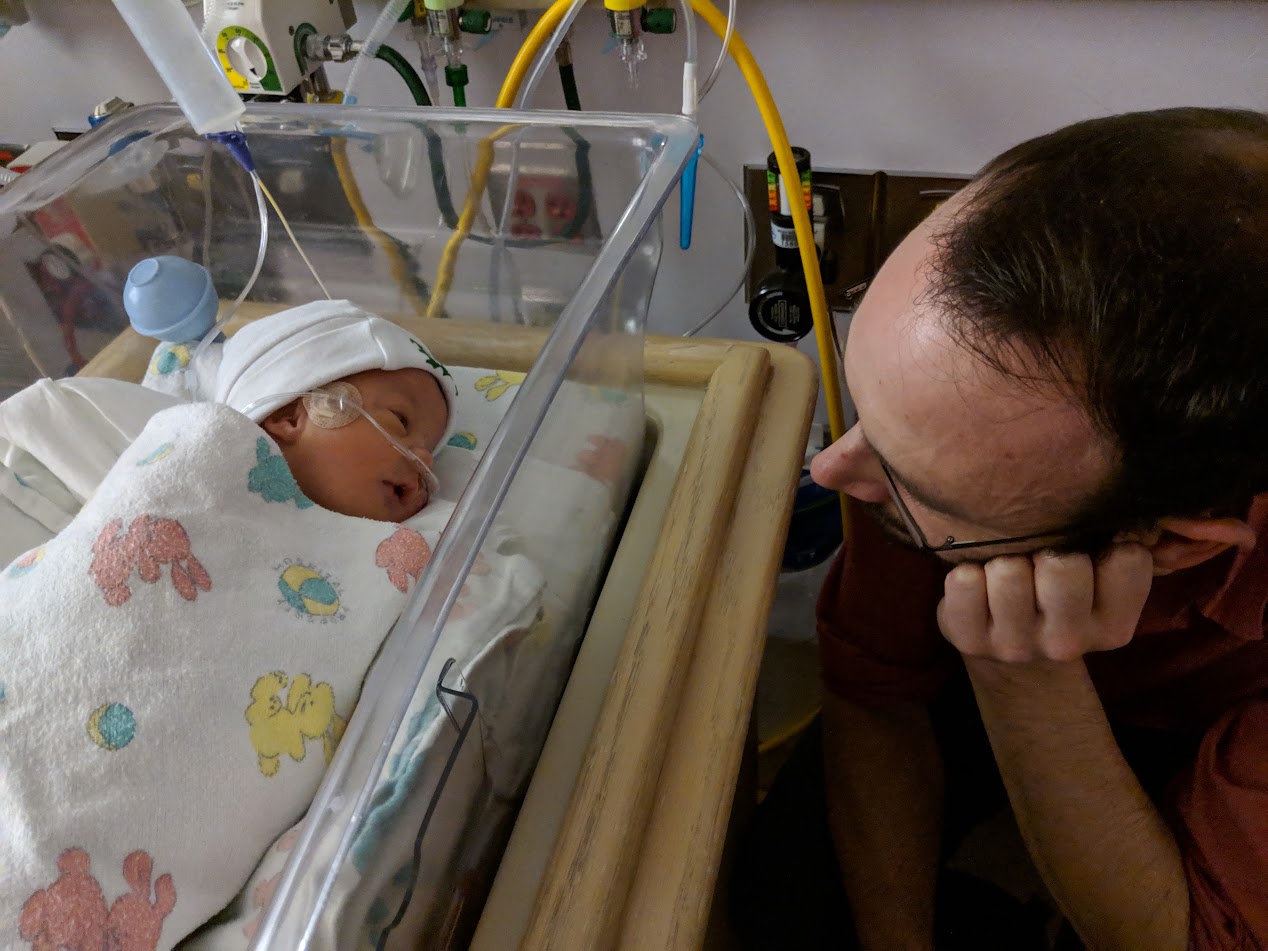
For our nervous systems, this is important. When you’ve lived through the NICU, your body has likely spent a long time scanning for danger: the alarms, the numbers and measurements, the phone calls you were afraid to answer, alert alert alert. That vigilance is what kept you going, AND it also leaves a mark.
A gratitude practice offers your nervous system a cue of safety, helping shift you toward a more regulated, connected state. Research links gratitude to improved heart rate variability, a marker of how flexibly our bodies can move between stress and calm. In polyvagal terms, we’re inviting the ventral vagal system back online, the part of us wired for rest, presence, and connection.
And let me be absolutely crystal clear: this is not about toxic positivity or “good vibes only” (I truly could never).
Gratitude does not erase grief. It does not ask you to be thankful for the hard parts or to ignore or gloss over what was lost. Both grief and gratitude can live in the same body at the same time. I am 100% living proof of that. Raising a child after the loss of another means my gratitude and my grief meet in a head-on collision, over and over, and that grief is something I will carry for the rest of my life.
(Befriending grief may need its own blog post someday.)
You can be grateful and heartbroken. You can be grateful and still grieving. That is simply a facet of being human.
So, as we enter into this holiday season, and particularly in the United States where words like “Thankful” and “Grateful” and “Gratitude” are being hurled at our heads like a hail storm for the next few weeks (and the complicated history of Thanksgiving in the U.S. is a topic for another day), please remind yourself that you can still grieve, you can still be angry, you can still be jealous, you can still be hurt, you can still be sad, AND you can find gratitude in the small spaces.
If you are having a difficult time finding things to be grateful for, here are a few ideas to get you started:
I am grateful…
For the sun warming up the bedside chair where I sit and wait for touch time in the NICU.
For the gentle, apologetic smile on the NICU nurse’s face when she comes in to take vitals…again.
For the way my baby’s fingers wrap around mine when I reach in to say good morning.
For the giant cafeteria cookie that gets me through the afternoon.
For the NICU camera allowing me to check in on my baby when I wake up every hour in the middle of the night.
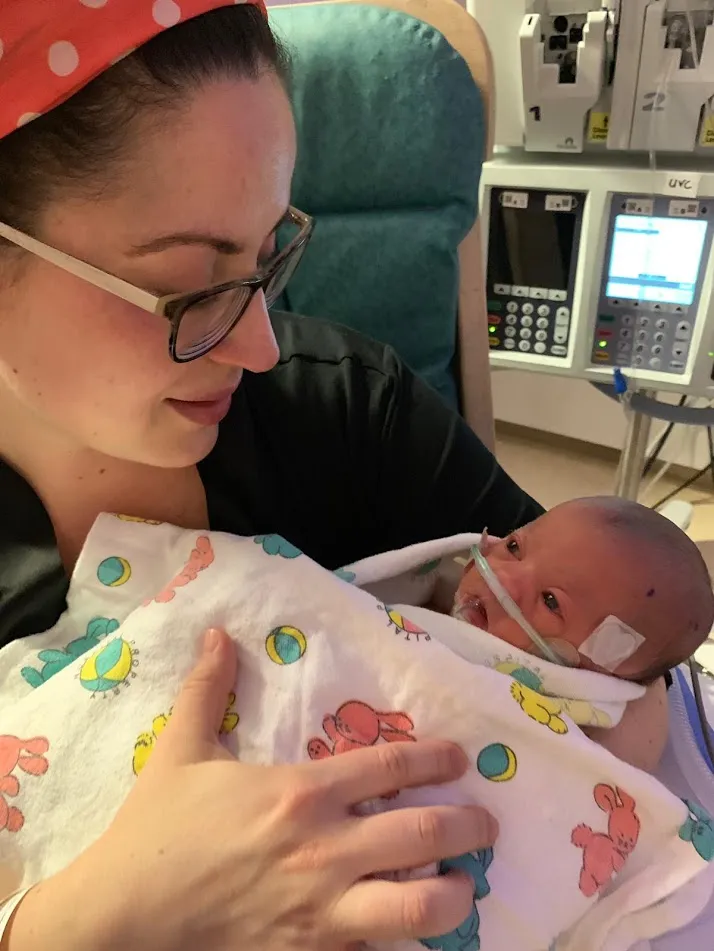
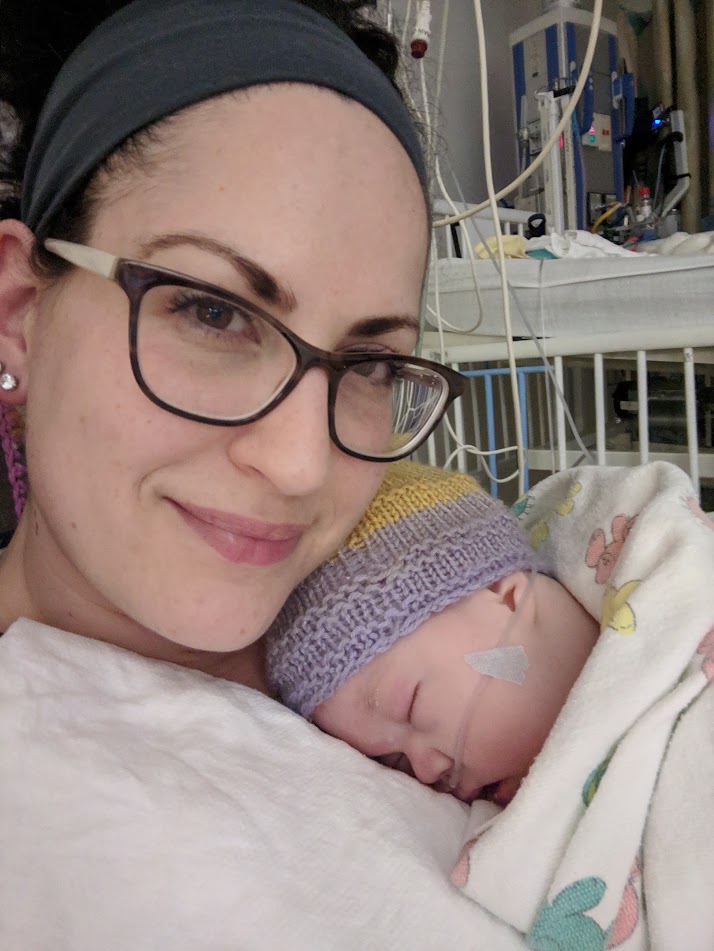
For the feeling of my baby’s cheek against my chest, even paired with the nasal cannula and Tender Grips.
For the other NICU parent who always says hi as we arrive at the same time everyday to scrub in.
For the photos of my baby I have on my phone to study through tears while hooked up to the breast pump.
For the feeling of having my baby home with me even while I’m terrified and unable to fall asleep due to anxiety.
For the Door Dash driver dropping off our dinner for the 3rd time this week and tolerating my hypervigilance around germs not entering our home by leaving the food on the doorstep so I can collect it without the thought of coming in contact with an outsider.
For the NICU Hearts Collective community who gets it (wink wink - we’ve got you).
If you notice - these are not candy-sweet sentiments of pure bliss. These are true examples of gratitude and grief living together within the walls of the NICU and within the hearts of NICU parents every day. You, too, can find tiny glimmers of gratitude every day. I promise.
Please share them with us as you find them - we all could use the reminders.
As always, be well.
Love, Emily